
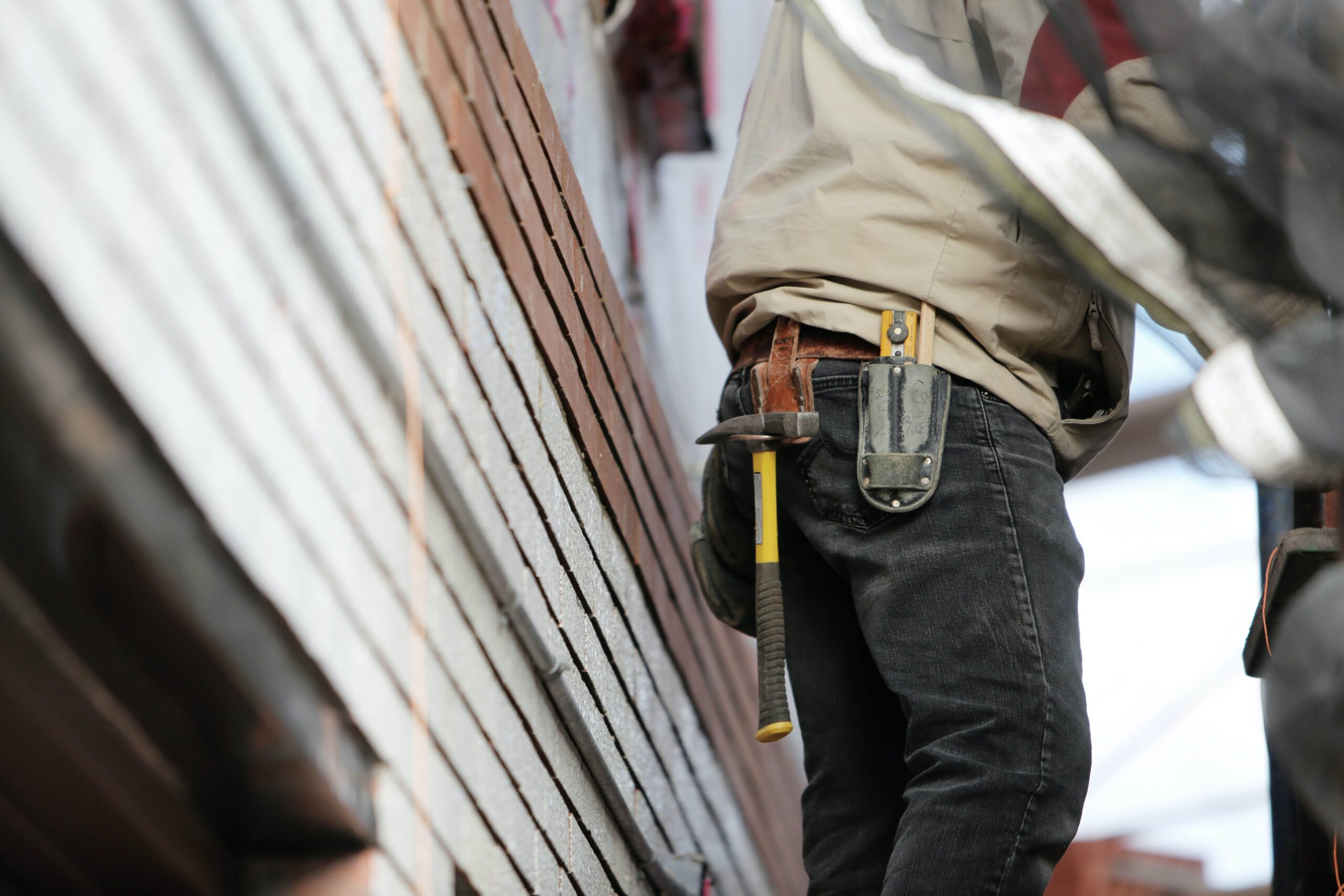
Providing employees with the necessary clothing and equipment plays an important role in ensuring safety, comfort and efficiency in the work process.
- Needs assessment:
- Conducting an analysis of work conditions and requirements to determine the types of clothing and equipment required for various categories of employees.
- Taking into account the specifics of the industry and the types of work performed.
- Development of clothing and equipment standards:
- Creation of standards and guidelines for the selection and use of clothing and equipment.
- Establishing quality, safety and compliance requirements.
- Selection of suppliers:
- Selection of reliable clothing and equipment suppliers specializing in the provision of personal protective equipment (PPE).
- Taking into account the reputation of suppliers, compliance with quality and safety standards.
- Development of individual solutions:
- Taking into account the individual characteristics of workers when developing solutions for the provision of clothing and equipment.
- Individualization of PPE depending on the specifics of the work performed and the health characteristics of employees.
- Preparation of instructions for use:
- Develop clear instructions and guidelines for the proper use and care of provided clothing and equipment.
- Providing training to employees on the correct use and care of personal protective equipment.
- Regular inventory updates:
- Organizing regular inventory and updating of existing stock of clothing and equipment.
- Replacement of obsolete, damaged or worn items.
- Monitoring compliance with safety standards:
- Checking the compliance of the clothing and equipment provided with established safety standards.
- Testing and certification of personal protective equipment.
- Size range management:
- Organization of a system for recording the size range and individual preferences of employees.
- Ensuring that suitable sizes are available for all workers.
- Providing additional accessories:
- Providing necessary accessories such as gloves, safety glasses, respirators and others, depending on the nature of the work.
- Development of instructions for the use of these accessories.
- Ensuring comfort and ergonomics:
- Selection of clothing and equipment taking into account comfort and ergonomics.
- Ensuring wearability and minimizing the impact on employee performance.
Providing employees with the necessary clothing and equipment not only maintains safety standards, but also increases productivity and employee satisfaction.